
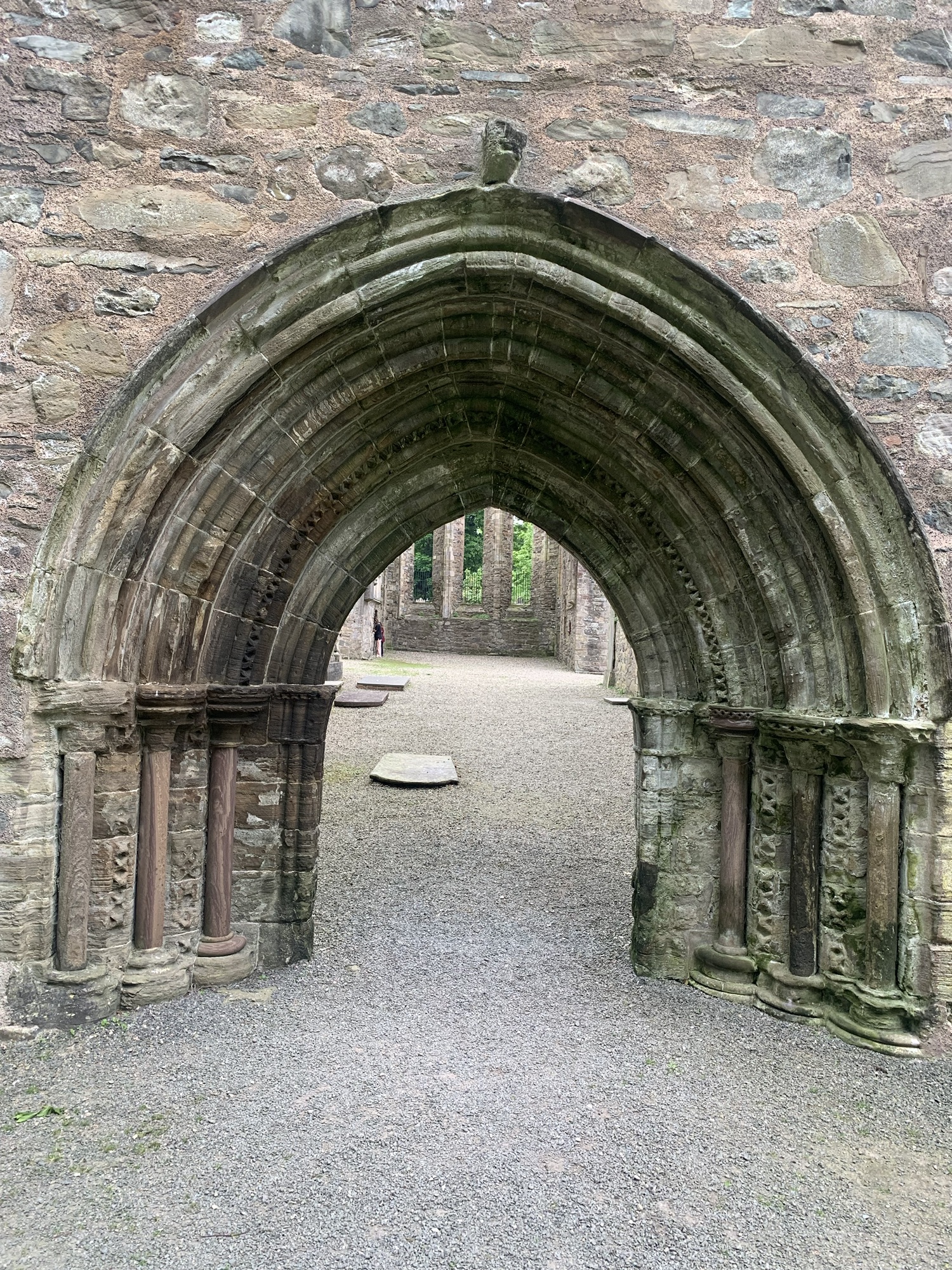
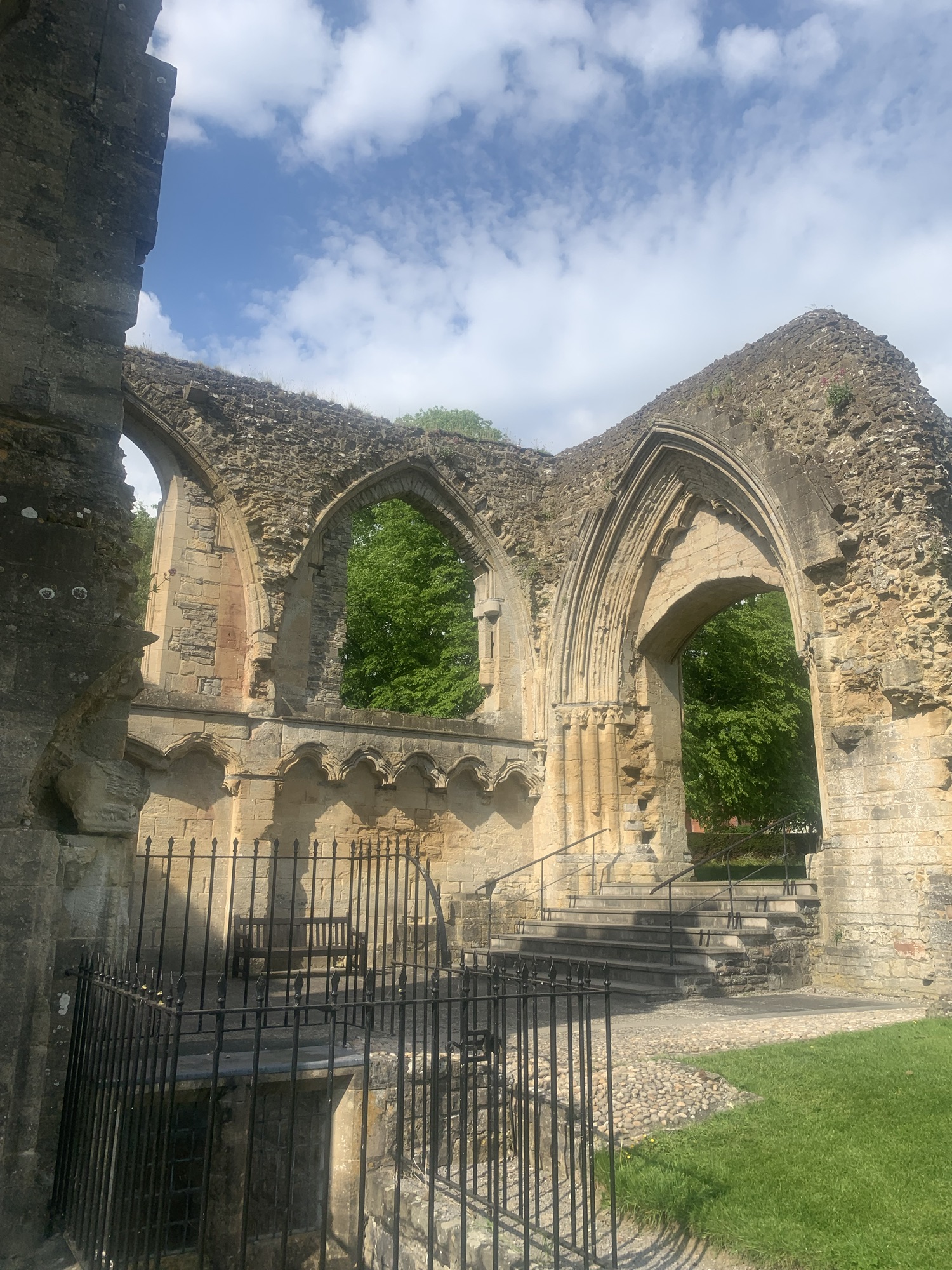
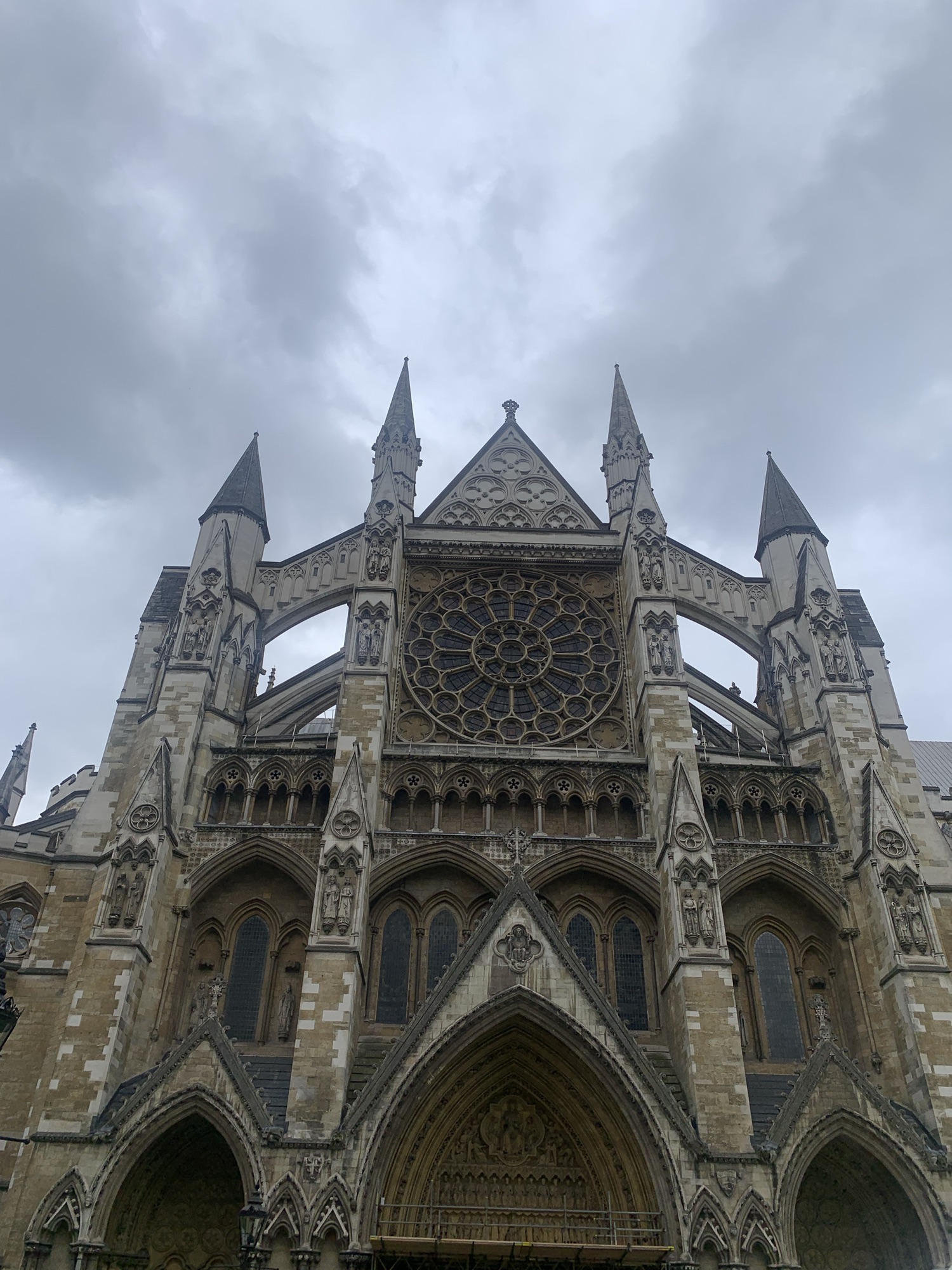
A recurring theme of our family missions this year has been following the paths of monks and saints. In the UK, we traced the trails and ruins of the monastic movements at ancient abbeys, followed St. Patrick’s path in Ireland and the terminus of St. Paul’s and St. Peter’s ministries in Rome.
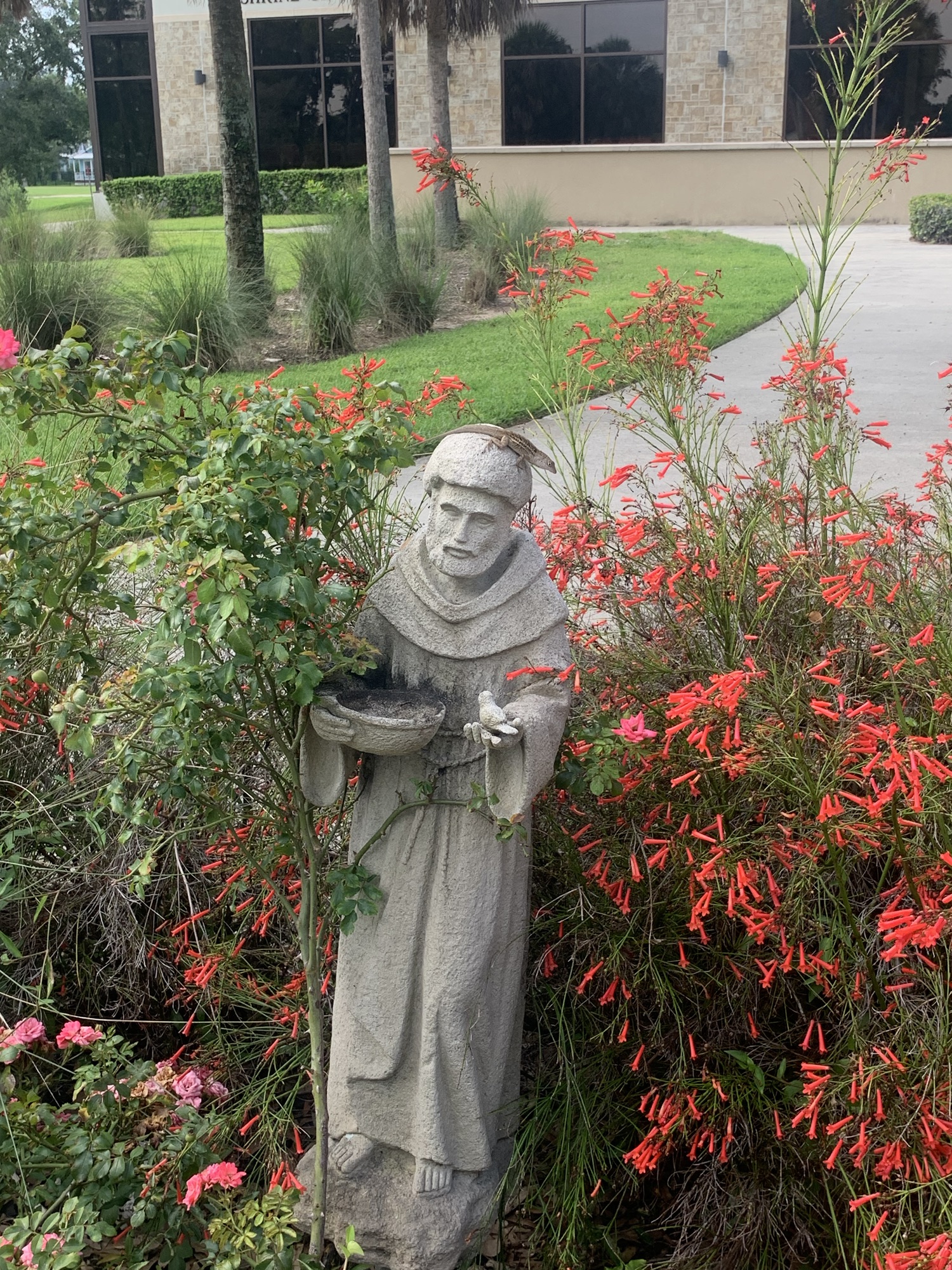
Now, we journey through the United States coast to coast, from Saint Augustine to San Francisco. We will follow much of the path Spanish monks followed to establish missions throughout the south and west. We have encountered saints in place names, sites, and art throughout the journey.
We asked the Lord why – we did not intentionally take these paths – they unfolded and revealed themselves as we obeyed the leadings of Holy Spirit.
I believe the Lord is showing us the paths of saints and monks because he is recalling us to the qualities of their lifestyles which impacted and informed the world. Just as many of these saints were birthed at a time when paganism revealed itself as unfulfilling and insatiable, so our modern saints live in a period of increasingly unsatisfying humanism. Whereas paganism began innocently enough by uplifting nature and natural processes, humanism began by edifying the desires of the mind, will, and emotions: self-actualization, free will, self empowerment. These desires, however, when centralized as idols, become consuming forces which govern and dictate our behaviors and leave us unfulfilled. Yesterday’s pagans drowned in fruitless lusts of the flesh; today’s humanists are consumed by meaningless preoccupation with self.
As history teaches us, the most revolutionary way to challenge such a culture is to subvert it. And what better way to subvert the self-focused idolatry of humanism with the self-denying traits of the saintly and monastic, whose lives were devoted to God and others?
Four qualities of the monks and saints I believe the Lord is highlighting right now:
1. Uncommon Devotion: A believer’s devotion to God is non-negotiable, but the devotion exhibited by monks was of a whole-hearted, consuming nature. Every waking hour focused on God – prayer, contemplation, teaching, service, praise. Theirs were lives of continued, disciplined adoration. One might wonder how a modern family, with all the responsibilities and obligations of home and family, might pull such an ostentatious feat as continual devotion. Perhaps such regimented lifestyle is impossible outside of a convent or monastery. However, the mental and spiritual positioning of a person, regardless of external circumstances, is the true monastic essence. Can we orient our everything toward God, no matter the direction of our feet or the work of our hands? Can we make everything about Him, because it truly is?
2. Commitment to Prayer: We passed a truck on the road with a stenciled image which read “Have you prayed today?” The truth is, many of us professing Christians do not take the time to intentionally pray. Yet the Bible tells us to pray continually, without ceasing. Monks understood that continual prayer mattered, and they practiced it as part of their lifestyle. The fruit of their efforts is evident in places like Ireland, where centuries of prayer have filled the atmosphere, creating “thin places” where heaven feels closer to earth. Monastic prayer has healed the land for generations to come, long after the monasteries were left to ruin. Likewise our efforts at unceasing prayer change the atmosphere of the present and heal the land for the future. Additionally, prayer is doubly beneficial, bringing the supplicant in closer relationship with God and continually humbled before the throne. After all, one cannot be sincere in prayer and stuck in sin simultaneously. God is calling us to a greater measure of ceaseless prayer in order to experience personal and communal transformation.
3. Holiness through Humility: One commonality of saints and monks is their willingness to humble themselves before God and mankind. Stories of the saints often begin with the willing shedding of worldly affections and attachments to take up a simple, servant-hearted life. Those who answered the call to the monastery had to take vows of poverty, purity, and chastity, forsaking the opulent and self-serving cares of the world. This humbling of self allowed their attention and affection to be for Christ and His Bride. If we are to fully subvert the pride of our current culture, we must take the path of the saints and leave behind self-centered ideals. We must be willing to lay our ambitions at the cross and pick up the habit of the monk, clothed in humility. That alone can bring us closer to the holiness to which God calls us, for only in dropping our righteousness can we become holy.
4. Signs and Wonders Will Follow: Stories of the saints are also filled with miracles – from healings to signs in the heavens and miraculous visions. Even after death, miracles are often attributed to these beatified personas. Whether we believe these stories or not, the truth is that Jesus said signs and miracles will follow His followers. We won’t have to conjure them up, or falsely attribute to God what is not, or exaggerate His glory. But we can expect signs to follow if we are living in faith. We have witnessed signs almost daily – prophetic words, healings, divine encounters, and mostly little personal signs from God that we are on track (our cloud by day, fire by night signs). If Jesus truly leads us, if God is for us, if Holy Spirit helps us, signs and wonders will follow. We can expect them, we should acknowledge them, and we will let them be evidence of God’s presence in our path.
These four elements of the lifestyle of saints and monks are essential, I believe, to sustain and mature the Body of Christ in our time. The Church has only ever grown through counter-cultural disposition. When we embrace the call to adoration, prayer, humility, and the workings of Holy Spirit, we shift the focus back onto the Lord and off of ourselves, which in turn fulfills the true longings of our hearts.